Border Tensions Flare Again Between Pakistan and Afghanistan, Ceasefire Under Strain
Fresh fighting has broken out along the Pakistan–Afghanistan border near Spin Boldak, with both sides accusing each other of violating a fragile ceasefire. Artillery exchanges forced residents to flee, leaving several dead and injured on both sides. The clashes come less than two months after a Qatar- and Turkey-mediated peace arrangement. Pakistan accuses the Afghan Taliban of sheltering anti-Pakistan militants, while Kabul denies the claim. Recent peace talks in Saudi Arabia ended without a breakthrough, and tensions remain high.
 NETB24
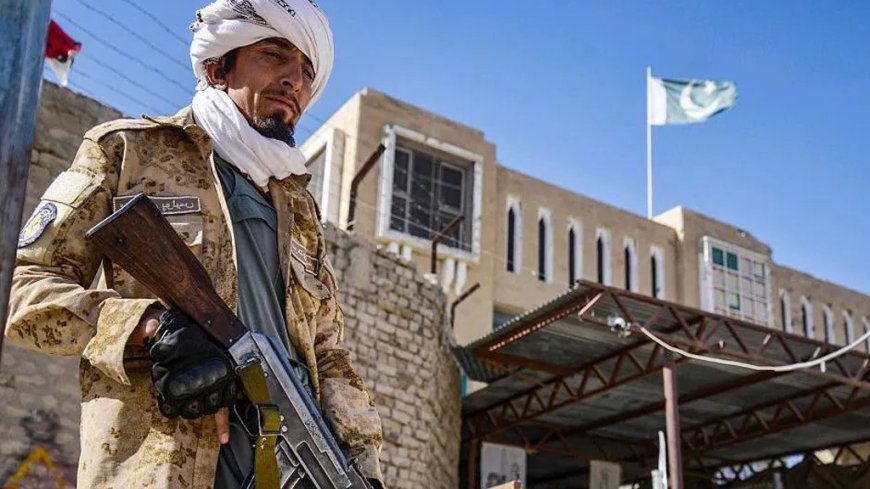
Fresh clashes have erupted along the Pakistan–Afghanistan border, shattering the fragile calm that followed a recently negotiated ceasefire. Both Islamabad and the Taliban administration in Kabul accused each other of initiating the overnight exchange of fire.
The violence broke out late Friday near Spin Boldak, a strategic Afghan border town where residents fled in large numbers as shelling intensified. According to medical sources in Kandahar, four bodies were brought to a nearby hospital, while several others were injured. Reports from Pakistan also confirmed multiple casualties.
In statements issued Saturday, both governments traded blame. Pakistan’s Prime Minister’s spokesperson, Mosharraf Zaidi, alleged that Taliban fighters opened fire without provocation, prompting what he described as a “strong and immediate response” from Pakistani forces. He added that Pakistan’s military remained fully prepared to safeguard its borders and population.
The Taliban administration countered that Pakistani forces “initiated attacks once again,” claiming they were compelled to fire back. Local officials in Kandahar reported the use of both light and heavy artillery during the confrontation, with some civilian homes damaged by mortar shells.
The border—stretching more than 2,600 km—has witnessed repeated flare-ups over the past year. Although Qatar and Turkey mediated a ceasefire less than two months ago following days of deadly clashes, tensions have never fully eased.
Pakistan has continued to accuse the Afghan Taliban of allowing anti-Pakistan militant groups to operate from Afghan territory—an allegation Kabul denies, saying Islamabad is attempting to shift responsibility for its own internal security challenges.
According to conflict monitoring groups, Pakistan has faced more than 600 attacks by Taliban-linked militants over the past year. Despite this, talks aimed at broader de-escalation are still underway. Delegations from both countries met recently in Saudi Arabia for a fourth round of dialogue, though no breakthrough was achieved.
Sources familiar with the discussions say both sides had verbally agreed to uphold the ceasefire—an agreement now tested by this latest burst of violence.